
CESA 2 Midwest AT Conference
Monday, March 15, 2027 | 9AM-3PM
We are pleased to announce the inaugural CESA 2 Midwest AT Conference, bringing together the assistive technology community from across the region! This event features a keynote address by Kelly Fonner, who will explore the past, present, and future of assistive technology. Don't miss this exciting opportunity to learn and elevate your practice!
Who should attend the conference: special education teachers, SLPs, OTs, PTs, general education teachers, administrators, school psychs, academic/instructional coaches, IT...anybody interested in learning more about accessibility!
Are you interested in speaking or being a vendor at the Midwest AT Conference? Click one of the buttons below to apply!
Location
In-Person at Blackhawk Technical College
6004 S County Road G
Janesville, WI 53546
Price
Early bird price until December 1: $175 per registrant
After December 1: $200 per registrant.
*Additional discounts are available to group registrants; reach out to info@cesa2.org to learn more!
Hotel Information
Tru by Hilton Hotel in Janesville (2702 Pontiac Pl, Janesville, WI 53545)
State rate: $113 (available for all participants)
Available March 14-16
Hotel booking link

“While the tools may change, the people at the heart of AT remain its most important innovation.”
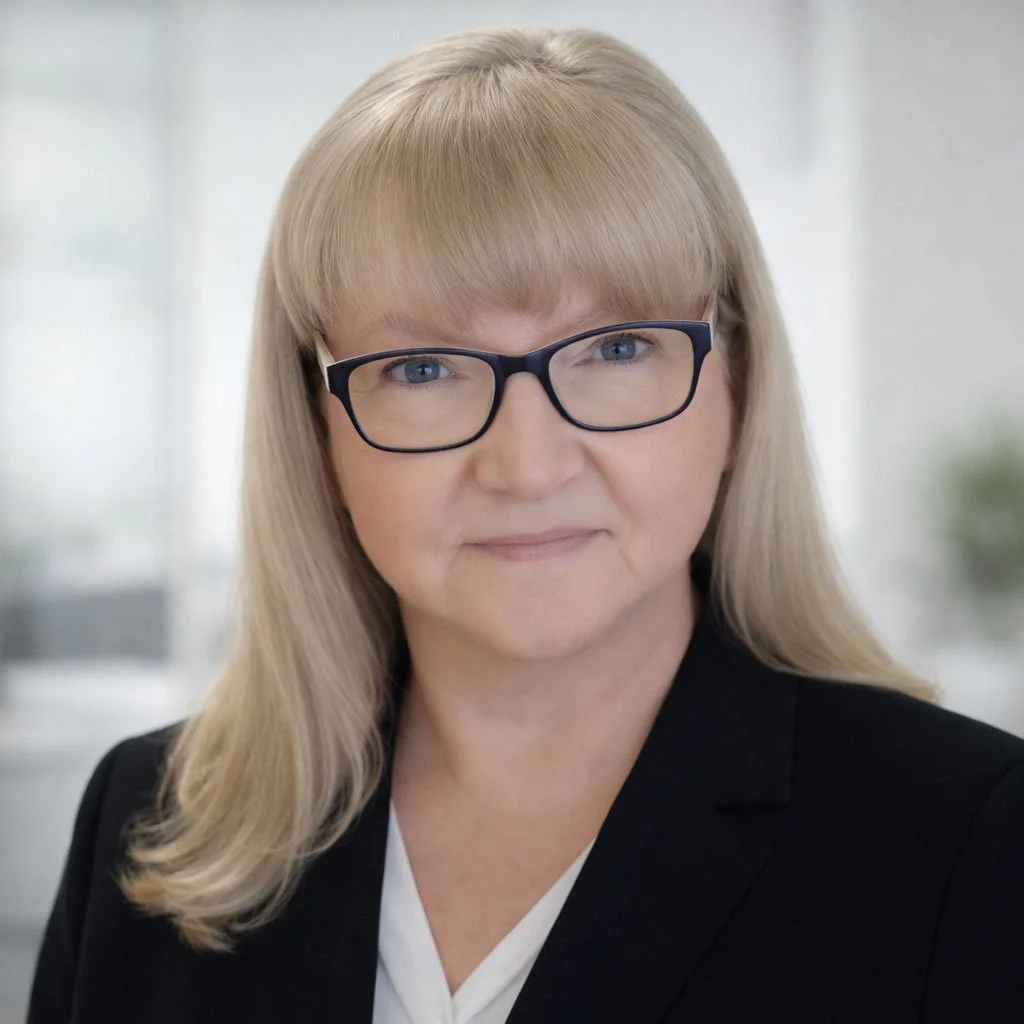
Kelly Fonner, MS
KEYNOTE
Assistive Technology: the Past, Present and Future
Provided by Kelly Fonner, MS
Assistive Technology has changed dramatically over the years. Devices have become more powerful, tools more sophisticated, and possibilities that once seemed unimaginable are now part of everyday life. Yet, amid all of this change, one essential element of assistive technology has remained constant: its connection to people.
This keynote takes a journey through the past, present, and future of assistive technology, exploring not only how the tools and practices have evolved, but also the people who have shaped that evolution. We will celebrate the individuals who use AT to communicate, learn, work, participate, and express who they are; the professionals, educators, families, and interventionists who help turn technology into meaningful opportunities; and the creators, innovators, and users who see possibilities beyond a technology's original intentions.
As we look toward the future, emerging technologies will undoubtedly transform what AT can do. But AT alone does not create access, inclusion, or opportunity. People do. The future of AT depends on our ability to remain curious, listen to the experiences of people who use AT, challenge assumptions, and imagine what is possible when technology is designed and used with, not simply for, people.
This keynote is both a look back at where we have been and a challenge to consider where we are going. Most importantly, it is a reminder that while the tools may change, the people at the heart of AT remain its most important innovation.