Literacy & Language Arts Consulting Services
Supporting Districts in Building Coherent Literacy Systems that Develop Reading, Writing, Language, and Knowledge Across Disciplines
Literacy development is more than learning to read in the early grades. Strong literacy systems integrate foundational reading skills, comprehension, and writing development, and disciplinary literacy across subjects.
CESA 2’s Curriculum & Coaching Center partners with districts to strengthen literacy instruction through curriculum review, HQIM implementation, Act 20 literacy systems, instructional coaching, and leadership support. Our work integrates rigorous texts, explicit language development, and equitable access so all learners, including multilingual learners and students with IEPs, can participate in grade-level learning.
Not sure where to start? We’re here to help!
Districts are heavily investing in changes to their curriculum, leadership structures, and systems. However, you may still be experiencing issues with making changes cohesive.
To help discover their next steps, we’re partnering with districts to connect each of the great things currently happening in the classroom and your school systems. With dozens of years of real-world educational experience across eight Centers of Excellence, we’re here to help your literacy instruction become clearer, more doable, and more responsive to learners.
Schedule a FREE 4K-8 Literacy Integration Checkup
As you navigate complex literacy decisions, chat with one of our experts for 60 minutes for free to have an external opinion on where you are and where you should go next. Together, we’ll look at district priorities, data, instruction, intervention, multilingual/bilingual learner supports, special education alignment, schedules, coaching, and implementation routines.
After the Checkup, CESA 2 will provide one of three comprehensive pathways to tackle next: data to action, strong tier 1 literacy, access and service delivery.
4K-12 Literacy System



Literacy Consulting Services
Strengthen literacy systems with consulting services designed to support curriculum, instruction, leadership, and student outcomes. From foundational reading and disciplinary literacy to coaching, assessment, and systems design, CESA 2 partners with districts to build coherent, research-aligned literacy practices that meet local needs.
-
We analyze district ELA curricula to identify strengths, gaps, and barriers to equitable access across grade levels. Whether we facilitate the evaluation process with your educators or conduct a comprehensive audit for your system, stronger alignment to the Wisconsin Standards for English Language Arts supports a more coherent and rigorous literacy progression.
For bilingual and dual language programs, we support the selection of instructional materials in both languages that align with program goals and standards.
Outcomes
Clear vertical alignment across K–12 ELA instruction
Identification of standards gaps and instructional priorities
Actionable recommendations for curriculum revision and system improvement
-
We guide districts through the process of selecting and implementing evidence-based literacy instructional materials. Our consultants support adoption teams in evaluating alignment to standards, research on reading development, accessibility, and cultural responsiveness.
Outcomes
Informed HQIM selection process aligned to district goals
Increased teacher confidence in implementing literacy materials
Implementation plans that connect instructional materials to classroom practice
-
We support districts in implementing science-based reading instruction aligned with Act 20 requirements and current research on reading development. Our consultants review foundational reading systems and help educators strengthen instruction in phonological awareness, phonics, fluency, vocabulary, and comprehension.
This work may include a Structured Literacy and Foundational Reading Pathway, which integrates:
LETRS professional learning to build deep educator knowledge of reading development
Keys to Beginning Reading to strengthen daily instructional routines in phonemic awareness, phonics, and decoding
District reading specialist support for coaching, modeling, and implementation
For bilingual programs, we support the development of foundational literacy systems in both languages and the alignment of early biliteracy instruction.
Outcomes
Coherent foundational reading instruction across grade levels
Increased teacher understanding of reading development
Improved early literacy outcomes for students
Stronger educator expertise and implementation of structured literacy practices
-
We support district leaders in implementing Act 20 requirements through professional learning, leadership institutes, and communities of practice. Services focus on building sustainable literacy systems and strengthening instructional leadership.
Outcomes
Leadership teams prepared to implement Act 20 requirements
Coherent district literacy systems
Ongoing collaboration through professional learning networks
Participation in a Literacy Network (community of practice) to support implementation, shared problem-solving, and continuous improvement across schools
-
We work with schools to design and strengthen the literacy block to ensure instructional coherence, effective use of time, and integration of foundational skills, comprehension, writing, and language development.
Outcomes
Clear structure and purpose within the literacy block
Instruction that integrates reading, writing, and language development
Increased student engagement and access to complex texts
-
We coach educators and teams to design units and lessons using backwards design anchored in clear learning intentions, success criteria, and aligned assessments.
Outcomes
Consistent lesson and unit design aligned to standards
Clear learning goals and success criteria for students
Instructional coherence across classrooms and grade levels
-
We help educators evaluate text complexity and curate high-quality text sets that build knowledge, vocabulary, and disciplinary understanding. Text complexity audits and text set curation services are also available.
Outcomes
Text selections aligned to grade-level expectations and Wisconsin’s broad definition of text
Increased student access to complex, meaningful, and multimodal texts for knowledge building
Expanded teacher capacity to model and support comprehension of complex texts
-
We support secondary educators in integrating literacy practices within science, social studies, and other disciplines. Teachers learn how to apprentice students into the reading, writing, and reasoning practices of each discipline.
In bilingual and dual language contexts, we support disciplinary literacy development in both languages of instruction.
Outcomes
Stronger integration of literacy across subject areas
Students reading and writing using discipline-specific practices
Increased engagement with complex texts and academic tasks
-
We support educators in integrating language development into literacy instruction using the WIDA ELD and SLD Standards and the L3IFT Framework. Teachers learn how to make academic language explicit within reading, writing, and discussion, supporting students in developing literacy across one or multiple languages.
Outcomes
Increased access to literacy instruction for multilingual learners
Explicit language objectives embedded in literacy instruction
Student discourse and writing that demonstrate deeper comprehension and reasoning
Strengthened development of academic language and biliteracy across languages
-
We support districts implementing dual language and bilingual programs in designing coherent biliteracy systems across both languages of instruction. Our work aligns curriculum, instruction, and assessment with program goals of bilingualism, biliteracy, and sociocultural competence.
Services include support for language allocation planning, biliteracy unit design, cross-linguistic transfer strategies, and parallel assessment systems across languages.
Outcomes
Coherent literacy systems across both languages of instruction
Instruction that supports cross-linguistic transfer and biliteracy development
Assessment systems that measure literacy growth in both languages
-
CCC consultants partner with educators through job-embedded coaching cycles and PLC facilitation. Together we analyze student work, plan responsive instruction, and strengthen literacy practices using real-time data, including collaboration with district reading specialists to support modeling, co-planning, and implementation.
Outcomes
Improved instructional quality through reflective practice
Shared ownership of literacy and biliteracy outcomes across teams
Stronger collective efficacy among educators
-
We train leadership teams to conduct focused literacy walkthroughs that examine alignment between curriculum, instruction, and student engagement. Walkthrough protocols help leaders calibrate expectations across schools and generate actionable feedback to guide coaching and professional learning.
Outcomes
Leadership alignment around effective literacy instruction
Actionable data from classroom observations
Targeted coaching and professional development priorities
-
We help districts analyze formative, interim, and summative literacy assessments—including ACT and Forward Exam data—to guide instructional improvement and system planning.
Outcomes
Clear understanding of student literacy strengths and needs
Data-informed instructional decisions
Coherent district assessment systems aligned to standards
-
We work with districts to design grading systems that reflect student learning aligned to literacy standards rather than compliance or behavior.
Outcomes
Clear communication of student literacy progress
Grades aligned to standards and learning goals
Increased consistency across classrooms and schools
-
We help districts examine instructional materials to ensure diverse and affirming representation and analyze instructional practices to support accessibility and intentional opportunities for equitable participation.
Outcomes
Diversity and representation in instructional materials
Increased access to literacy learning for all students
Classroom environments that support identity, voice, and belonging
-
We help secondary educators explore how and when artificial intelligence tools can support ELA teaching and learning while prioritizing academic integrity, strong instructional design, and student productive struggle.
Outcomes
Responsible and ethical use of AI in literacy instruction
AI tools used to support and enhance—not replace—student thinking and writing
Re-envisioning design of ELA tasks, processes, products, and assessments

Our Literacy Experts

Kris Statz
Literacy Consultant & WiMLSS Coach
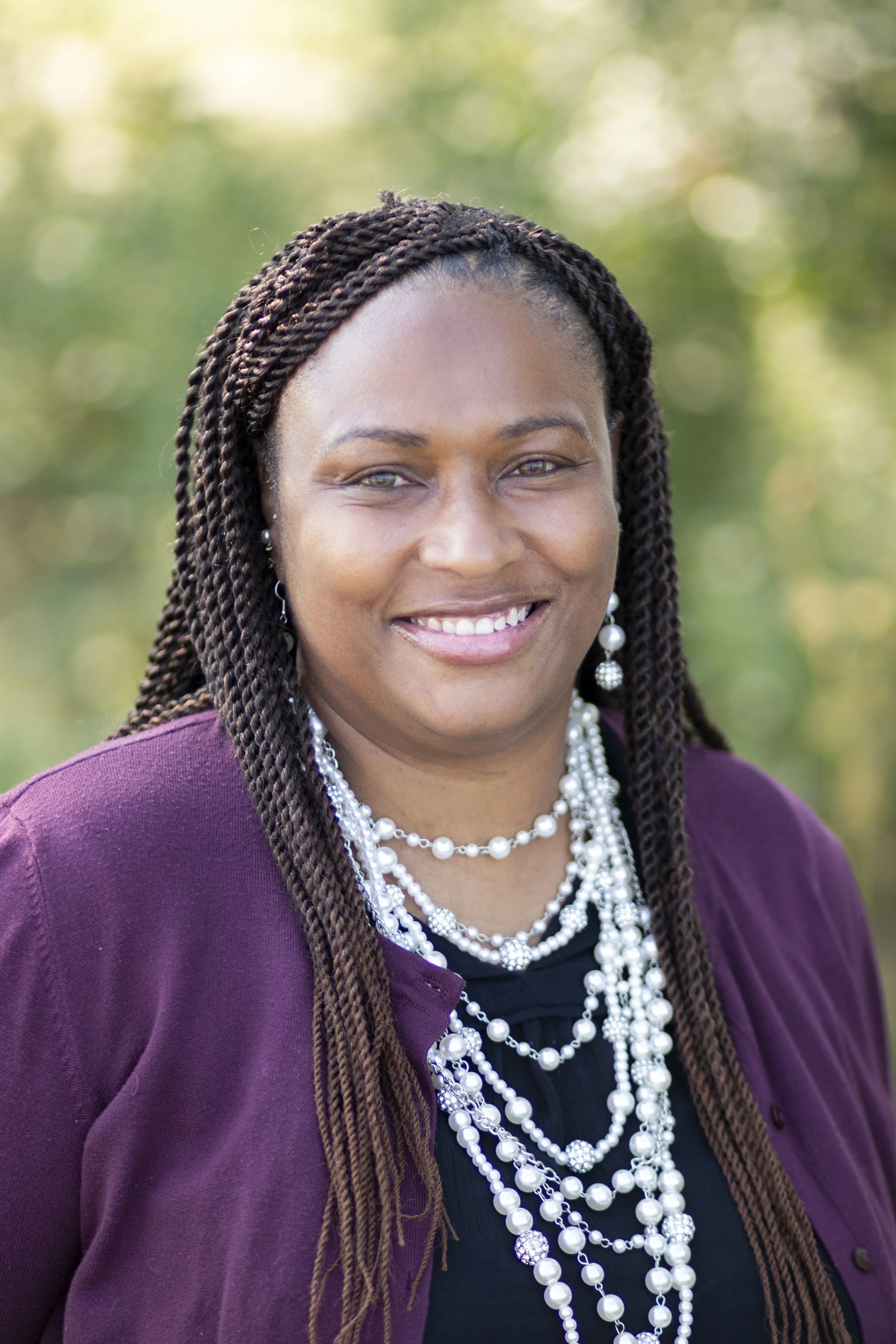
Latricia Johnson
Senior Director
Other Support by Content Area